LEADING CHANGE
THROUGH
INTELLIGENT SOLUTIONS

INTEGRATED ANNUAL REPORT 2025

2025 Performance Highlights

BUSINESS HIGHLIGHTS
Secured high-value, multinational IFM contracts, marking our entry into multi-site industrial environments.
Formed DuaSatu FZ LLC in Dubai, a joint venture with 21 Estates Group FZCO to expand our presence in Dubai, unlocking access to new opportunities in the broader Middle East region.
Expanded our offerings in Indonesia with a geothermal supply contract for a power plant in Bandung.
Secured a new traffic management contract for the KL-Karak Lane Widening Project, achieving Tier 1 contractor status in the process.
Diversified into new service sectors in Singapore, expanding our service footprint beyond healthcare into hotels and commercial properties.
Marked a step-change in digital differentiation by placing Asseto at the core of service delivery, repositioning us as a built environment master integrator.
Grew Healthcare Solutions’ non-concession and private portfolio, delivering 311 contract renewals as well as new wins across FEMS/BEMS, linen and laundry, and cleaning and housekeeping services.
Strengthened our international presence in UAE and Saudi Arabia through new property and facility management wins.
Expanded our presence in advanced healthcare in Taiwan by securing 15 new contracts.
Scaled our Zero Capex Energy Efficiency Programme RM70.3 million in order book wins.
Scored a major win as a TFM managing agent in the education sector.
FINANCIAL HIGHLIGHTS

Revenue

RM2,861.0 million
2024: RM3,049.8 million

Shareholders’ Funds

RM1,051.2 million
2024: RM1,538.7 million

Earnings Before Interest, Taxes, Depreciation and Amortisation (EBITDA)

(RM57.3 million)
2024: RM193.8 million

Earnings per Share

(50.2 sen)
2024: 5.4 sen

(Loss)/Profit Before Tax and Zakat (PBT)

(RM359.1 million)
2024: RM91.7 million

Net Assets per Share

RM1.26
2024: RM1.85

(Loss)/Profit After Tax and Zakat (PAT)

(RM412.9 million)
2024: RM45.2 million

Gross Gearing Ratio

0.37x
2024: 0.28x

(Loss)/Profit Attributable to Owners of the Parent (PATANCI)

(RM417.2 million)
2024: RMRM45.3 million

Net Cash Position

RM455.4 million
2024: RM225.9 million

Total Assets

RM2,563.4 million
2024: RM2,992.3 million

Total Cash, Bank Balances, Deposits and Short Term Investments

RM851.2 million
2024: RM661.5 million
SUSTAINABILITY HIGHLIGHTS

Secured inclusion in the FTSE4Good Bursa Malaysia Index, underscoring our commitment to robust environmental, social and governance standards.

Delivered energy savings of 27,932,360 kWh equivalent to RM12,872,740 in cost savings.
Expanded circular economy solutions through our asphalt premix plant with recycling facility idriving the estimated avoidance of up to 800 tonnes of CO2e annually.
Strengthened supplier ESG oversight, assessing 78 strategic and critical vendors on their ESG understanding and practices.
Recorded more than 277,000 learning hours, excluding learning undertaken through Individual Development Plans (“IDPs”), which continue to complement our dynamic learning ecosystem.
Launched our Sustainability Roadmap 2.0 to further embed sustainability into our business activities and decision-making.
13.54% reduction in emissions against 2022 baseline.
Improved Lost Time Incident Rate (“LTIR”) to 0.6
(2024: 1.0)

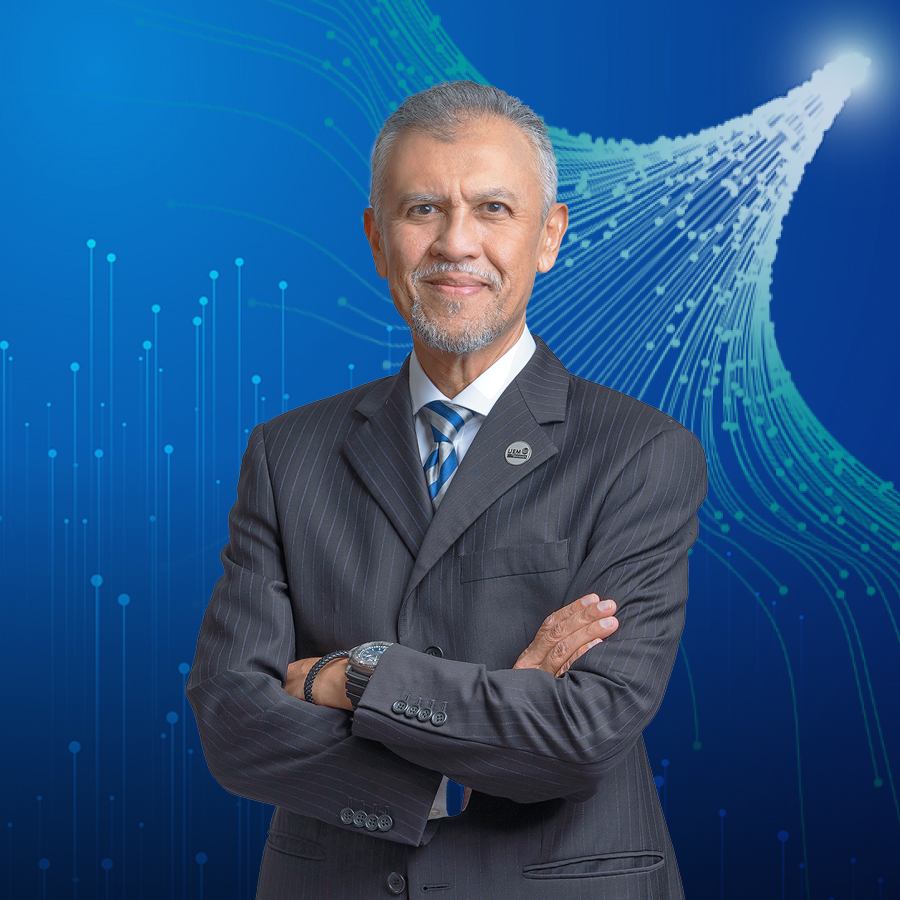
TAN SRI (DR.) AZMIL KHALID

Independent Non-Executive Chairman

LEADERSHIP INSIGHTS

Chairman’s Statement

Strengthening Foundations for the Next Chapter

Dear Valued Stakeholders,

UEM Edgenta stands at an important inflection point in its journey. Having concluded the Edgenta of the Future 2025 (“EoTF2025”) transformation roadmap, the Group now operates with a stronger set of capabilities, a more competitive suite of technology-enabled solutions and a broader international presence than at any point in the past.

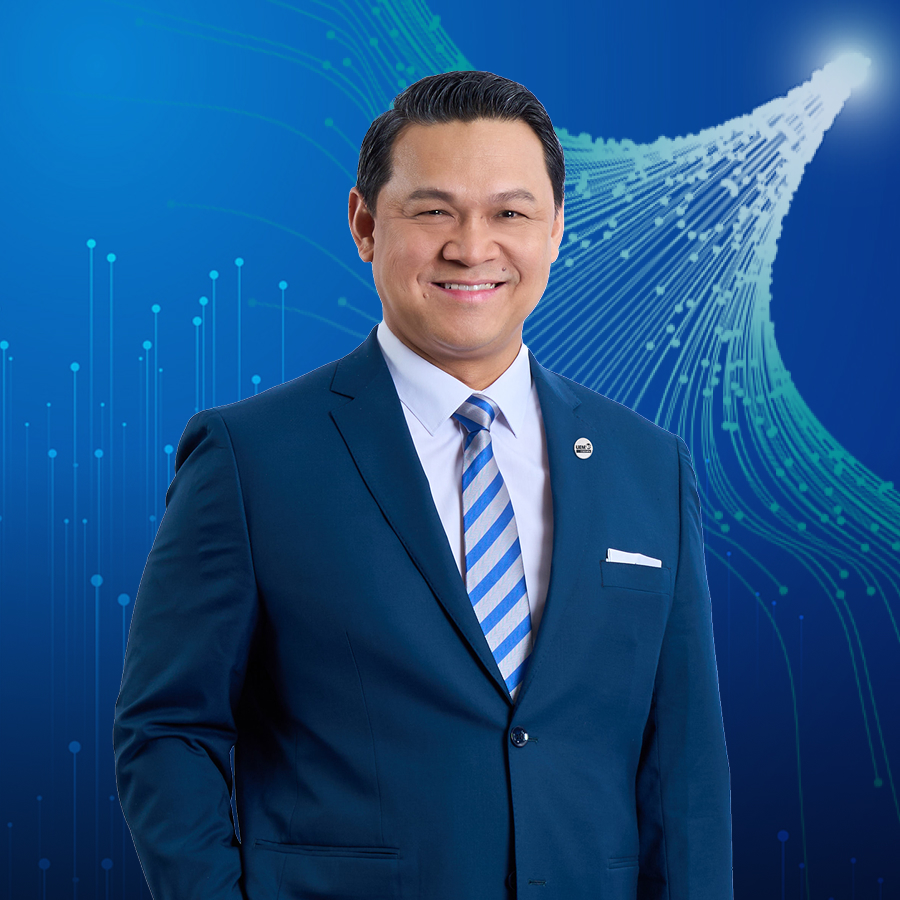
SHAIFUL SUBHAN

Managing Director/Chief Executive Officer

LEADERSHIP INSIGHTS

MD/CEO’S STATEMENT

LEADING CHANGE THROUGH INTELLIGENT SOLUTIONS

Dear Shareholders,

FY2025 was a year that strengthened our core and sharpened our focus. In response to a more demanding operating environment, we deepened the role of technology and sustainability across our business to more effectively support reliable performance, improve efficiency and create long-term value for asset owners. These actions positioned the Group to manage near-term challenges while laying the groundwork for future growth as a Technology-Enabled Asset Management and Infrastructure Solutions Company.

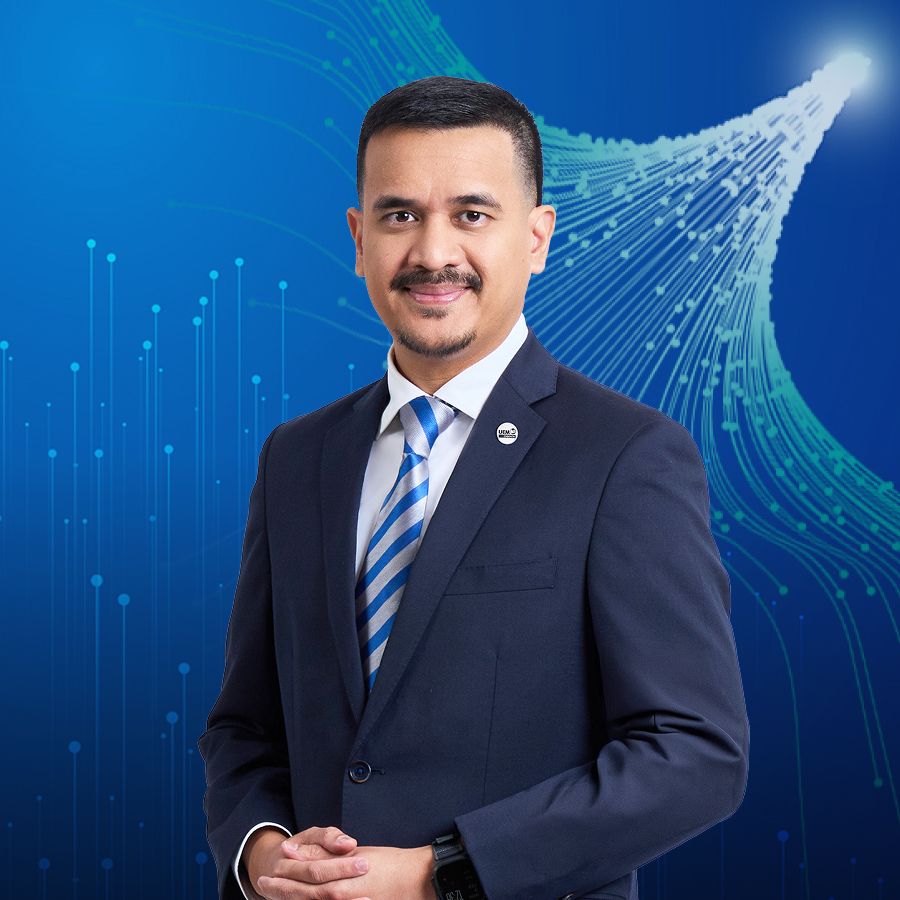
AHMAD FAZRIL FAUZI

Chief Financial Officer

LEADERSHIP INSIGHTS

CFO’S STATEMENT

Building Financial Resilience for Sustainable Growth

Against a backdrop of industry-wide headwinds, decisive actions to exit selected lower-margin contracts and realign assets have strengthened our portfolio, improved cash resilience and positioned the Group with a clearer financial pathway for future growth.

VALUE CREATION BUSINESS MODEL

ENABLE VALUE-ADDING ACTIVITIES THAT CREATE

VALUE FOR OUR STAKEHOLDERS
INPUTS
  • FINANCIAL
  • PLANTS AND MACHINERIES
  • SOCIAL AND RELATIONSHIP
  • INTELLECTUAL
  • HUMAN CAPITAL
  • NATURAL
OUTPUTS
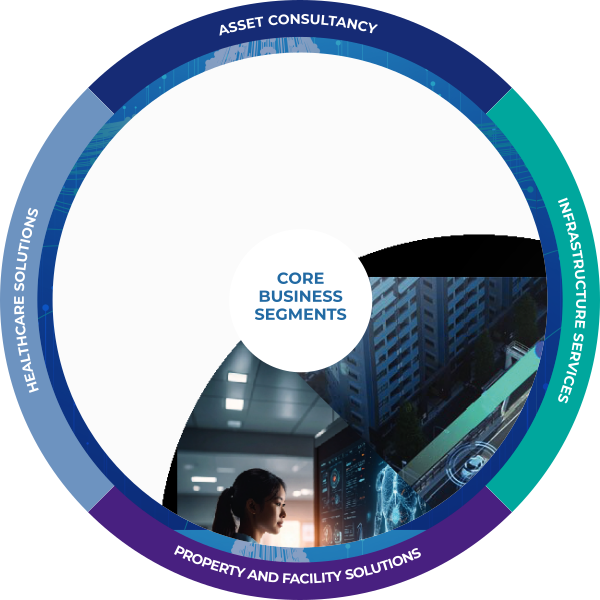
  • Healthcare Solutions
  • Property and Facility Solutions
  • Infrastructure Services
  • Asset Consultancy
  • Technology and Innovation
  • Waste and Emissions

INPUTS

FINANCIAL
  • Shareholders’ funds: RM1.54 billion
  • Cash, bank balances, deposits and short-term investments: RM661.5 million
  • Net cash position: RM225.9 million
  • Total assets: RM2.99 billion

As of end-FY2024

PLANTS AND MACHINERIES
  • More than 900 units of cleaning machinery used in housekeeping and cleansing
  • RM80 million invested in our incineration plant with a daily capacity of 32 metric tonnes
  • RM50 million invested in two (2) laundry plants, with a combined daily processing capacity of 38 metric tonnes
  • One (1) asphalt premix plant with an attached recycling facility
  • Three (3) truck mounted attenuators (TMA)
  • Three (3) state-of-the-art Wirtgen Vögele Dash 5 road pavers
  • Six (6) major machineries per Pavement Team (11 competent in-house Pavement Teams)
SOCIAL AND RELATIONSHIP
  • Long-term community development initiatives, with 19 ongoing projects
  • 1,800 volunteering hours contributed through corporate responsibility programmes
  • Ongoing engagements with government authorities and industry bodies
  • Commercial partnerships supporting international reach
  • Supplier Financing Programme and Vendor Development Programme supporting vendor resilience and competitiveness
INTELLECTUAL
  • Asseto — our flagship digital platform integrating multiple data sources across client assets to enable real-time insights and decision intelligence
  • UETrack™ — workflow and mobility solutions with primary modules such as feedback management and performance monitoring, supporting healthcare operations
  • RAMS — asset management system enabling remote monitoring and management of roads
  • Virtual Edgenta Mediserve Call Centre (“V-EMCC”) — a centralised cloud-based virtual call-centre managing more than 2.3 million transactional records yearly
  • Pavement Research Centre (“PRC”) advancing innovation in asphalt mix design and pavement engineering
HUMAN CAPITAL
  • More than 18,000 employees across six countries
  • 50% female workforce representation
  • Workforce comprising more than 30 nationalities
  • RM10.28 million invested in training
  • 85% local hires
NATURAL
  • Installed solar panels at Menara UEM
  • Sustainability-centric solutions delivered across client portfolios
  • Water management initiatives undertaken at site offices and clients’ sites
  • Structured resource and waste management practices to minimise environmental impact

OUTPUTS

Healthcare Solutions
  • Maintenance of over 43,000 BEMS assets valued at over RM1.48 billion
  • Management of more than RM5.3 billion worth of FEMS assets
  • Upkeep of over 2.3 million m2 of cleanable facilities area daily
  • Serving over half of Singapore’s 20 public and private healthcare institutions, including 100% presence across all 10 restructured government hospitals
  • Providing healthcare support services to more than 80 public and private hospitals throughout Taiwan
Property and Facility Solutions
  • Facility management services delivered across more than 1,000 buildings and facilities in Malaysia, the UAE and Saudi Arabia
  • 3,260 MWh of electricity saved across five key facilities under management – an average of 7.9% savings per facility
Infrastructure Services
  • Management of over RM10 billion worth of infrastructure assets
  • Maintenance of more than 9,000 km of expressways and roads in Malaysia
  • Deployment of over RM19 million worth of recycled asphalt premix on PLUS highways
Asset Consultancy
  • Over RM100 billion in project value delivered through Opus Consultants
  • Up to 52% reduction in electricity consumption through our energy efficiency solutions
Technology and Innovation
  • Deployment of Asseto across various industries including oil and gas, hospitality, banking, commercial properties, and government facilities with over 80,000 assets managed
  • Deployment of UETrack™ across more than 85 healthcare and commercial facilities nationwide
  • Over 1,000 km of expressway and state roads managed through RAMS
Waste and Emissions
  • Total emissions of 15,572.48 tCO₂e, representing a 9.10% decrease compared to FY2024
  • Total waste generated of 1,164.90 MT, a 42.3% reduction compared to FY2024

OUTCOMES

FINANCIAL
  • Revenue of RM2.86 billion
  • More than RM3.5 billion in new contracts secured
  • Total order book balance of RM9.4 billion
  • Shareholders’ funds of RM1.05 billion
  • Total assets of RM2.56 billion
  • Net assets per share of RM1.26
PLANTS AND MACHINERIES
  • Processing of over 19,000 tonnes of linen per annum
  • Incineration of over 7,000 metric tonnes of clinical waste per annum
  • Asset uptime of 98% for FEMS and 99% for BEMS for healthcare facilities managed by Healthcare Solutions
SOCIAL AND RELATIONSHIP
  • Customer Satisfaction Score of 90.93%
  • RM76,023.65 invested in community engagement, benefitting 1,435 people
  • 15 suppliers enrolled in the Vendor Development Programme, with over 2,000 suppliers supported since inception
INTELLECTUAL
  • RM5.3 billion in technology-enabled contract wins since 2021
  • Commercialisation of 12 asphalt mixes through our asphalt premix plant with recycling facility
  • New capabilities developed in managing multi-site industrial environments through our recent contract wins for Shell Malaysia and Vale Malaysia Minerals
HUMAN CAPITAL
  • Over RM4.42 million spent in employee training and development, equivalent to 277,670.25 training hours or average of 16.14 training hours per employee
  • More than 150 employee engagement initiatives carried out
  • Employee Lost Time Incident Rate (“LTIR”) of 0.6
NATURAL
  • 32 buildings supported to achieve Green Building certifications and accreditations
  • Delivery of 27,932,360 kWh in energy savings, equivalent to RM12,872,740 in cost savings
  • Inclusion in the Bursa Malaysia FTSE4Good Index
  • Up to 800 tCO₂e in emissions through our asphalt premix plant with recycling facility
  • An ESG assessment of 78 strategic and critical vendors was completed in 2024, with 2025 efforts focused on categorisation based on ESG risk tiers
  • Launch of Sustainability Roadmap 2.0

ACTIONS TO ENHANCE OUTCOMES

FINANCIAL
  • Refining our commercial focus towards longer-tenure, higher-value IFM scopes to drive revenue and margins
  • Driving operational efficiency through process automation, procurement optimisation and digitalisation of core processes
  • Strengthening risk-sharing mechanisms across our contracts
  • Driving cost optimisation within Healthcare Solutions through Project Catalyst and Project Delta, while safeguarding service quality
PLANTS AND MACHINERIES
  • Expanding implementation of mechanisation and automation across operations, including deployment of mechanised cleaning equipment and robotics
  • Modernising and optimising machinery fleets to enhance delivery capabilities for infrastructure works
SOCIAL AND RELATIONSHIP
  • Providing greater value to clients through technology-enabled solutions that unlock advisory-led scopes and move us up the value chain
  • Driving supplier capability development through the VDP and structured ESG engagement
  • Continuing investment in community-based initiatives to support socio-economic development and deepen community ties
  • Working closely with government authorities to support national goals and priorities while maintaining access to concession opportunities
INTELLECTUAL
  • Advancing the evolution of Asseto as a built environment master integrator that enhances asset visibility and performance, while sustaining investment to improve RAMS and UETrack™
  • Investing in research and innovation through the Pavement Research Centre (PRC) to strengthen technical differentiation
  • Establishing a Digital Engineering Unit to centralise Building Information Modelling (“BIM”) capabilities, improve standardisation and reduce technical inconsistencies
HUMAN CAPITAL
  • Strengthening talent and capability development through structured upskilling, including initiatives to build digital and AI readiness
  • Enhancing workforce planning through optimised shift design, workload-based rostering and tighter overtime management
  • Accelerating workforce productivity through multi-skilling, cross-deployment and competency-based training programmes
  • Reinforcing safety culture through targeted HSSE programmes and performance monitoring
NATURAL
  • Supporting clients’ sustainability and low-carbon journeys through zero capex delivery models
  • Expanding the scalability of circular solutions, including recycled asphalt, to reduce material footprint and emissions
  • Embedding sustainability into business planning and decision-making processes through the Sustainability Roadmap 2.0

TRADE-OFFS

FINANCIAL

We allocate Financial Capital to technology investments, plant upgrades and capability development to strengthen long-term competitiveness. While these investments may reduce short-term financial flexibility, they support revenue growth, innovation and competitive positioning, strengthening our other capitals over the long term.

PLANTS AND MACHINERIES

Ongoing investment in plant and machinery enhances delivery capability and service reliability but requires upfront capital deployment. We balance renewal and expansion of physical assets with disciplined capital planning to ensure sustainable returns.

SOCIAL AND RELATIONSHIP

Deepening stakeholder engagement, community initiatives and supplier development requires sustained financial resources and Human Capital, which may divert attention from short-term revenue-generating activities. However, these efforts strengthen trust and relationships, supporting a more sustainable foundation for long-term value creation across the capitals.

INTELLECTUAL

Investment in proprietary platforms, research and digital capabilities requires sustained funding and organisational focus. While returns may not be immediate, strengthening our Intellectual Capital enhances differentiation, scalability and long-term earnings potential.

HUMAN CAPITAL

Underinvestment in skills and capability development may constrain service quality and future growth. We therefore balance cost discipline with continued investment in training, safety and workforce readiness.

NATURAL

Advancing low-carbon and sustainability-led solutions may require upfront investment and, at times, forgoing certain short-term growth opportunities. While this may affect near-term Financial Capital, it strengthens our positioning as a responsible and sustainable organisation and supports long-term value creation across the capitals.

SUSTAINABILITY AT UEM EDGENTA

01

Innovation and Technology-Based Operational Excellence

WHY IT MATTERS

Innovation and technology form the foundation of reliable, efficient and sustainable service delivery at UEM Edgenta. Rather than acting as a support function, technology is embedded as a core operational capability that enhances asset performance, strengthens service reliability and enables consistent execution at scale.

Technology is also a primary source of differentiation. Through data-driven decision-making, automation and intelligent workflows, the Group improves productivity, optimises cost structures and delivers higher-value outcomes across contracts. This positions UEM Edgenta to compete more effectively in an increasingly demanding and cost-sensitive market.

Sustained investment in innovation ensures that operational excellence is not only maintained but continuously improved, enabling the Group to deliver superior performance, resilience and long-term value.

02

Economic Development

WHY IT MATTERS

UEM Edgenta views economic development as central to long-term business strength and social progress, linking expansion to job creation, skills development and stronger community resilience. When aligned with environmental and social considerations, sustainable economic development improves adaptability to regulatory changes, customer expectations and industry trends, while encouraging innovation and strengthening stakeholder relationships. Neglecting this focus could constrain performance, reduce competitiveness, undermine trust and increase regulatory and reputational risks, ultimately weakening long-term value creation and societal contribution.

03

Supply Chain Management

WHY IT MATTERS

Supply chain management is fundamental to UEM Edgenta’s service reliability and sustainability outcomes, as suppliers influence service standards, cost structures, and environmental and social performance.

Effective oversight of ESG risks within the Group’s supply chain strengthens operational stability and improves the Group’s ability to adapt to changing operating conditions. Conversely, insufficient management of supply chain risks may lead to cost escalation, delays and reduced quality, placing pressure on client relationships and overall performance. Misalignment with sustainability priorities may also weaken environmental and social outcomes, diminish the Group’s industry influence, and heighten exposure to regulatory, financial and legal risks.

01

Climate Change

WHY IT MATTERS

Climate change presents material risks and strategic considerations for UEM Edgenta due to the breadth of assets, services and geographies in which the Group operates. Physical impacts such as extreme weather, rising temperatures and flooding have the potential to disrupt operations, affect asset performance and increase maintenance and insurance costs. Transition-related pressures, including evolving regulations, higher compliance standards and changing client expectations, also influence how the Group plans, invests and delivers services. If not managed effectively, these factors could weaken operational reliability, supply chain stability and long-term financial performance.

At the same time, climate change is reshaping market needs and creating demand for more energy-efficient, resilient and sustainable infrastructure and services. This shift creates opportunities for UEM Edgenta to strengthen its value proposition by supporting clients in reducing emissions, improving resource efficiency and adapting assets to climate-related risks. By integrating climate considerations into business strategy and operations, the Group is able to limit its own environmental footprint while helping clients enhance the resilience and sustainability of their facilities.

In support of this direction, the Group has enhanced policies and practices that reflect its commitment to address climate-related impacts, including impacts tied to greenhouse gas (GHG), and promoting responsible environmental management. These standards extend beyond internal operations to business partners and procurement activities, reinforcing a consistent approach across the value chain. Through disciplined climate management and solution-driven services, UEM Edgenta positions itself to manage emerging risks, respond to regulatory and market developments and contribute meaningfully to the transition towards a lower-carbon and more resilient economy.

02

Environmental Management

WHY IT MATTERS

Environmental management is material to UEM Edgenta because the Group operates and maintains critical assets that directly affect public health, environmental quality and community well-being, and how environmental impacts are controlled directly affects operational reliability, regulatory compliance and stakeholder trust. As environmental standards tighten and stakeholder expectations rise, disciplined environmental management is essential to maintaining our licence to operate and long-term competitiveness.

Failure to manage environmental impacts effectively could result in higher operating costs, regulatory penalties, service disruptions, and reputational damage. Conversely, strong environmental governance supports cost efficiency, risk mitigation and resilience across the assets we manage.

01

Occupational Health and Safety

WHY IT MATTERS

The nature of UEM Edgenta’s operations involves physical, technical and operational risks, necessitating a strong safety culture and stringent occupational health and safety practices. These measures are essential in protecting health and well-being of employees, contractors and stakeholders, while preventing incidents, occupational illnesses, environmental harm and regulatory breaches.

Beyond physical risks, failure to manage occupational health and safety effectively can result in significant legal liabilities, regulatory actions and increased insurance costs, while disrupting operations and damaging the Group’s reputation. Serious incidents may also undermine employee morale and adversely affect the Group’s ability to attract and retain talent.

02

Customer Satisfaction

WHY IT MATTERS

Customer satisfaction is a key driver of UEM Edgenta’s service excellence, commercial sustainability and long-term value creation. It shapes client relationships, contract continuity and the Group’s ability to compete in highly regulated markets. By listening to and meeting customer needs, the Group reinforces confidence in its capabilities and strengthens long-term partnerships, sustaining its relevance in an evolving environment.

Conversely, failure to prioritise customer satisfaction may strain relationships, resulting in contract losses, revenue decline, loss of market position and reduced growth prospects. Negative customer experiences may also be amplified through word of mouth, influencing perceptions among prospective clients and business partners.

03

Employment Culture

WHY IT MATTERS

UEM Edgenta’s people are central to its ability to deliver reliable services and sustain long-term value. When employees feel respected, supported and included, they are more engaged and better equipped to perform at their best.

Conversely, a weak or neglected employment culture can have wide-ranging implications for organisational performance. Disengagement may lead to lower morale and reduced commitment, while higher turnover disrupts workforce continuity and increases recruitment and training costs. Inadequate inclusion and well-being practices may also limit collaboration and innovation, weakening the Group’s resilience and competitive position.

04

Human Rights Assessment

WHY IT MATTERS

Upholding the fundamental principles of human rights is essential to maintaining stable and productive relationships with our employees, contractors, suppliers and the communities in which the Group operates. Respect for human rights supports fair and safe working environments, equal opportunity and responsible business conduct, forming the foundation for consistent service delivery and long-term operational credibility. UEM Edgenta’s commitment to human rights includes respecting and upholding the principles enunciated in internationally recognised standards, including the Universal Declaration of Human Rights, the UN Guiding Principles on Business and Human Rights (UNGPs), and the International Labour Organization (ILO) Declaration on Fundamental Principles and Rights at Work, which form part of the broader International Bill of Human Rights framework.

A strong stance against human rights violations also reduces exposure to potential legal, financial and reputational impacts. Where such risks are not effectively managed, the Group may face operational disruption, contractual disputes and increased scrutiny from regulators and investors. Ultimately, such incidents could weaken stakeholder confidence and erode the social license under which the Group operates.